
Why Some Retail Displays Feel Premium Without Looking Overdesigned
There’s a difference between a store that feels organized and one that feels memorable. Usually it comes down to presentation. Not flashy setups or expensive renovations — just displays that give products space and importance.
A lot of retailers miss that balance. They either overcrowd displays trying to show too much inventory, or they overdesign the area until the products themselves get lost.
Presentation Changes Perceived Value
Customers judge products before they touch them.
The same item can feel more expensive, more collectible, or more important depending on how it’s displayed. This is especially true for:
- handcrafted products
- collectibles
- limited edition items
- premium accessories
If those products are packed onto standard shelves next to everything else, they lose impact immediately.
Some Products Need Slower Browsing
Not every item is an impulse purchase.
Certain products benefit from customers slowing down and looking closer. That’s why enclosed presentation areas work well in stores that sell specialty merchandise or visual products with detail.
Fixtures similar to display cases for museums create that slower browsing effect naturally. Customers tend to stop longer, examine products more carefully, and treat the contents as higher value simply because of the presentation style.
It’s less about the “museum” aspect and more about controlled visibility.
Space Around Products Matters
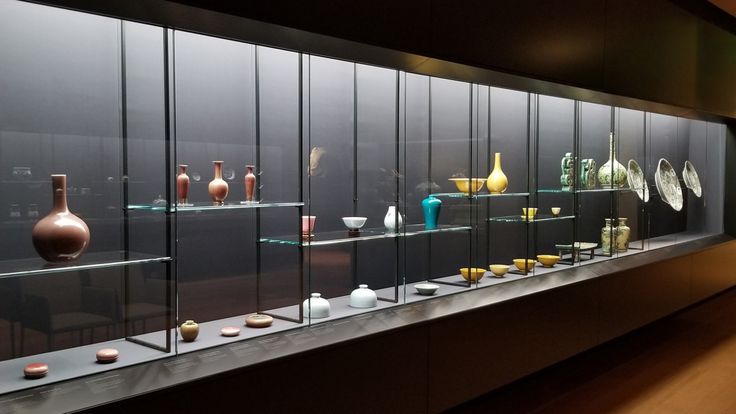
Crowded displays reduce focus.
Retailers often try to maximize every inch of space, but feature displays work differently. Empty space is part of the presentation. It separates products visually and gives customers room to focus on individual pieces.
A few properly spaced items usually create more attention than dozens packed together.
Lighting Should Support the Product, Not Dominate It
Overly dramatic lighting becomes distracting fast.
The goal is simple:
- reduce shadows
- improve visibility
- highlight texture and detail
Clean lighting helps products stand out without making the display feel theatrical.
Feature Displays Work Best as Anchors
Stores benefit from having visual “pause points” — areas that naturally slow customers down.
These displays work well:
- near entrances
- between departments
- in wider open spaces
They break up the rhythm of standard shelving and give the store more visual structure.
Keep the Display Easy to Maintain
Complex displays rarely stay looking good for long.
Dust, fingerprints, uneven product placement — it builds up quickly. Simpler layouts are easier for staff to maintain consistently, which matters more than elaborate setups that only look good for one day.
If it takes too much effort to keep clean, it usually won’t stay clean.
Don’t Use Premium Displays for Everything
Not every product needs this type of presentation.
If every section tries to feel “premium,” nothing stands out anymore. Feature-style displays should be reserved for products that actually benefit from extra attention.
That contrast is what makes them effective.
What This Comes Down To
Customers notice presentation more than store owners sometimes realize.
When products are given proper space, cleaner visibility, and a more focused display environment, they naturally feel more valuable. You don’t need a full redesign to create that effect — just better control over how key products are presented.