
Why Leading Brands Like Honda and BYD Choose This Micro Switch Supplier
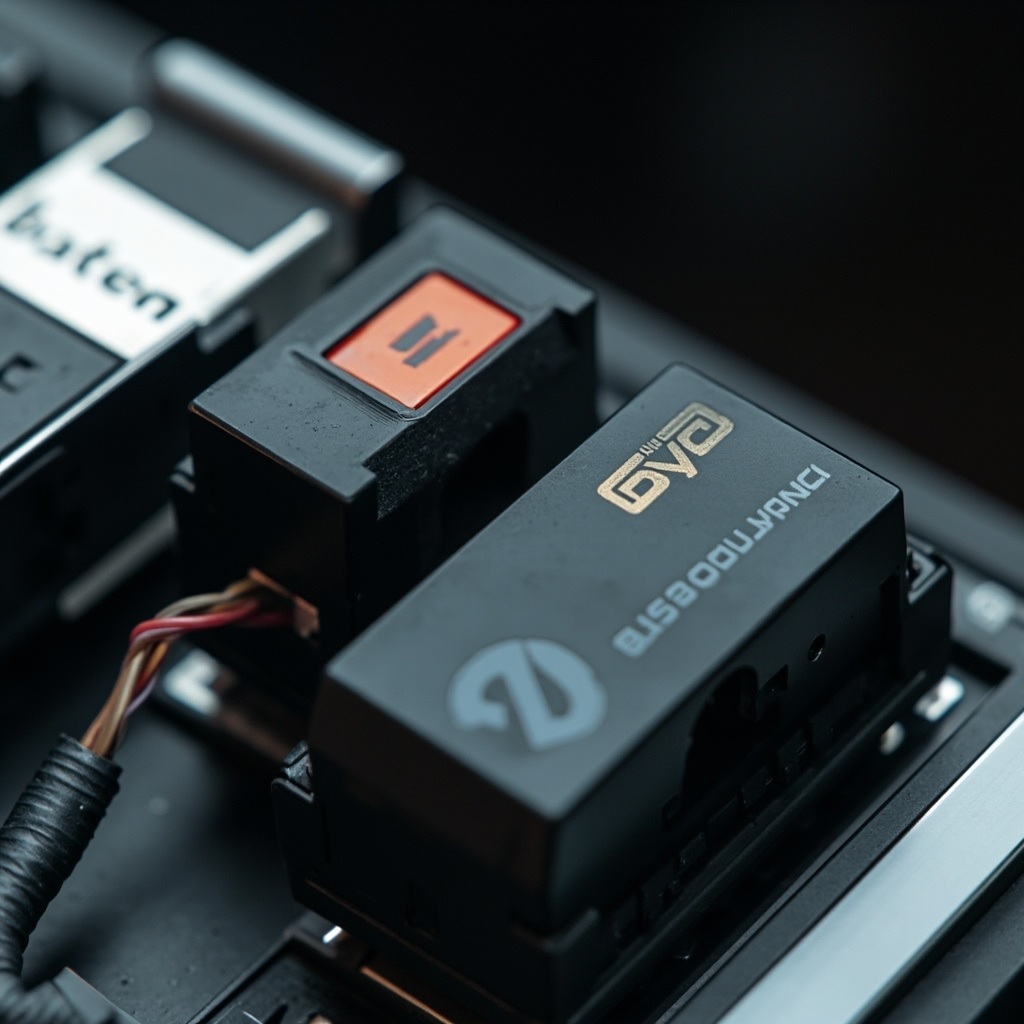
When Honda and BYD put their names on the line, they don’t gamble on components. Every switch, every actuator, every tiny mechanical click inside a steering column or a door latch carries the weight of brand reputation. So when both automotive giants independently settled on the same micro switch supplier—Unionwell—the decision wasn’t a coincidence. It was a calculated verdict born from years of testing, field data, and brutal cost-benefit analysis.
Let’s cut through the marketing fluff. Honda’s engineers don’t wake up looking for suppliers; they look for problems solved. BYD’s supply chain managers don’t chase brands; they chase consistency at scale. What Unionwell offers isn’t flashy—it’s boringly reliable. And in the automotive world, boring reliability is the highest compliment.
The real reason these leading brands commit? Tolerance. Not the emotional kind, but the mechanical kind. Unionwell’s micro switches maintain actuation force within a razor-thin margin across millions of cycles. When a Honda door latch needs to feel the same on day one as it does after 200,000 slams, that consistency isn’t a luxury—it’s a non-negotiable. BYD, pushing aggressively into global markets, can’t afford a single switch failure that triggers a recall. Unionwell’s IP67-rated sealed switches survive dust, moisture, and temperature swings that would cripple lesser components.
But here’s what the spec sheets don’t tell you: lead time. Both Honda and BYD operate on just-in-time manufacturing schedules where a two-week delay in switch delivery can halt an entire assembly line. Unionwell’s manufacturing footprint and inventory management allow them to respond faster than competitors who outsource to third parties. When a production line is down, every minute costs tens of thousands of dollars. That speed becomes a hidden asset.
Another overlooked factor: customization without arrogance. Unionwell doesn’t force brands into a one-size-fits-all catalog. Honda needed a specific low-force switch for a new steering wheel module; BYD required a high-temperature variant for an EV battery disconnect system. Unionwell’s engineering team adapted existing platforms rather than starting from scratch—saving both time and tooling costs. That flexibility, paired with rigorous validation testing, is what separates a vendor from a partner.
Let’s be direct: the switch itself is a commodity. The difference is in the ecosystem—the quality control protocols, the traceability systems, the willingness to say “we can modify that” instead of “that’s not in our standard range.” Unionwell has built a reputation not on being the cheapest, but on being the most predictable. In an industry where unpredictability kills margins, that predictability is worth a premium.
So when you see a Honda Accord or a BYD Seal on the road, know that behind every click, every press, every tactile response, there’s a Unionwell micro switch doing exactly what it’s supposed to do—nothing more, nothing less. And for brands that stake their future on every single component, that’s exactly the kind of partner worth choosing.