
Comparative Lifespan Analysis: Aluminum vs. Timber Planter Boxes Outdoors
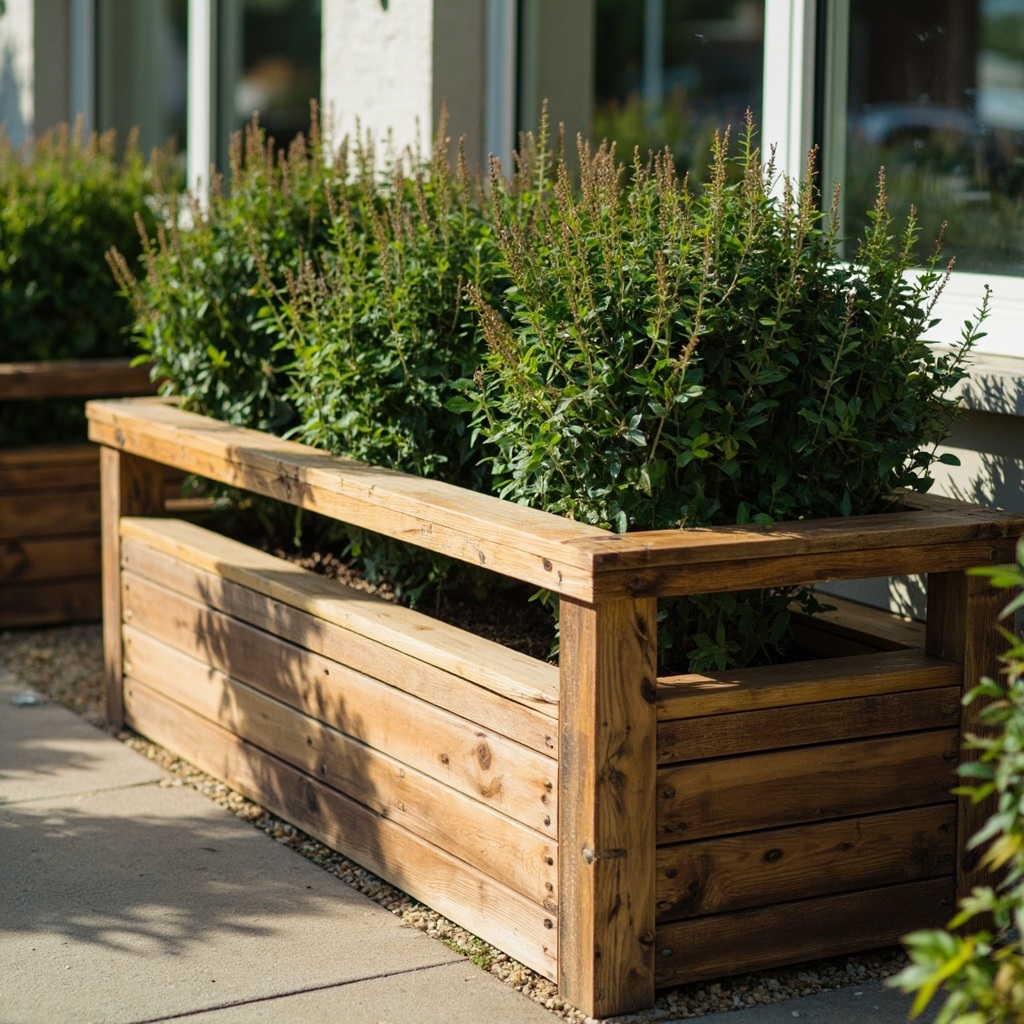 You drop three grand on beautiful cedar planters, they look stunning for one summer, and by the second spring you’re peeling off splinters while your petunias weep. That’s the unspoken contract with timber outdoors: it ages, it rots, it becomes a habitat for things you didn’t invite. But what if you could skip the decay entirely without sacrificing curb appeal? Let’s cut through the lumberyard romance and look at the real numbers.
Timber has a shelf life, and it’s not generous. Even pressure-treated pine or premium cedar starts showing significant wear around the three-to-five-year mark. The enemy is moisture, obviously, but also the UV breakdown of lignin. You can seal it, stain it, and worship it with a paintbrush every season, but the moment water finds a crack—and it will—the fungal party begins. By year seven, most wooden boxes are structurally compromised. By year ten, they’re kindling. That’s not a lifespan; that’s a temporary installation.
Aluminum, on the other hand, laughs at weather. A properly constructed Aluminum Alloy Planter Box with a powder-coated finish doesn’t rot, doesn’t warp, and doesn’t invite termites to brunch. The realistic outdoor lifespan for a quality aluminum box? Thirty years, minimum. Some manufacturers guarantee forty. That’s not marketing fluff; that’s metallurgy. Aluminum forms a natural oxide layer that seals itself against corrosion. When you add a baked-on powder coat, you’re essentially armoring the box against salt spray, acid rain, and the kind of humidity that turns wood into mush.
Here’s where the math gets interesting. A cedar planter costs less upfront, sure. But over two decades, you’re buying it four times. You’re also buying sealants, stains, replacement soil, and your own labor hours. An aluminum planter costs more once, then disappears from your maintenance budget entirely. The total cost of ownership flips hard in aluminum’s favor around year six. After that, timber is just a money pit with splinters.
But let’s talk about heat, because someone always brings it up. “Aluminum gets hot.” Yes, and so does dark-stained wood. The difference? Aluminum dissipates heat faster. A timber box acts like an insulator, cooking root zones on 95-degree days. Aluminum, especially with a light powder coat or integrated thermal breaks, actually keeps soil temperatures more moderate. Your tomatoes don’t care about the material; they care about root stress.
Aesthetics? Timber has warmth. Nobody denies that. But modern aluminum planters have come a long way from the shiny silver boxes of the 90s. Textured finishes, wood-grain embossing, matte blacks, and bronze tones mean you can get the visual weight of timber with zero of the decay. And you never have to explain to a guest why your planter looks like it survived a shipwreck.
The bottom line is simple: if you’re planting for a single season or staging a rental, go with timber. If you want to install something once, watch it outlast your fence, and never think about it again, aluminum is the only rational choice. Wood ages gracefully if you’re a poet. Aluminum ages gracefully if you’re a pragmatist who likes weekends free.